
Spiders
Spiders are arachnids, a class of arthropods that also includes scorpions, mites, and ticks. There are more than 45,000 known species of spiders, found in habitats all over the world. There’s a spider with a cartoonish butt, spiders that can jump on demand, and cannibal spiders that look like pelicans.
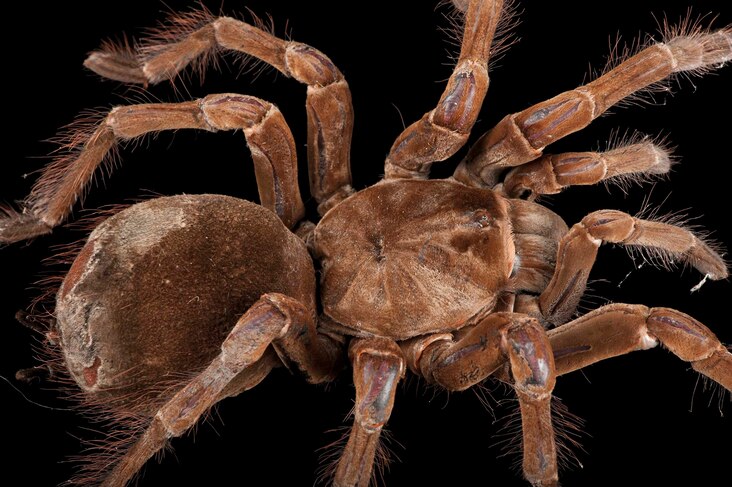
Spiders range in size from the tiny Samoan moss spider, which is .011 inch long, to the massive Goliath birdeater, a tarantula with a leg span of almost a foot.
Harmful spiders?
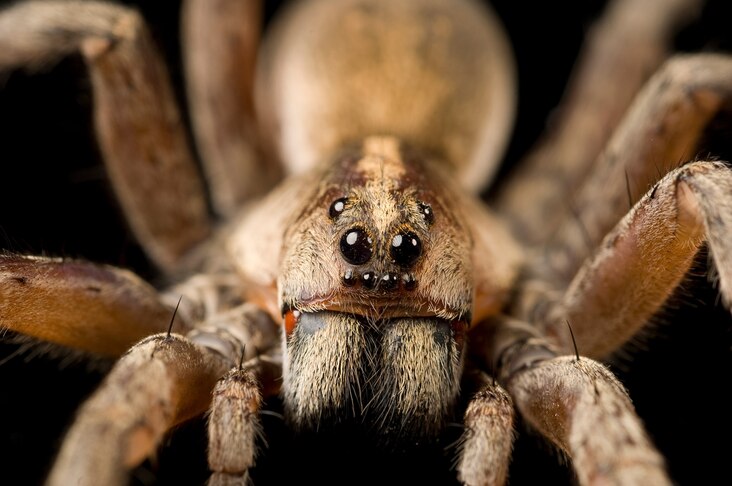
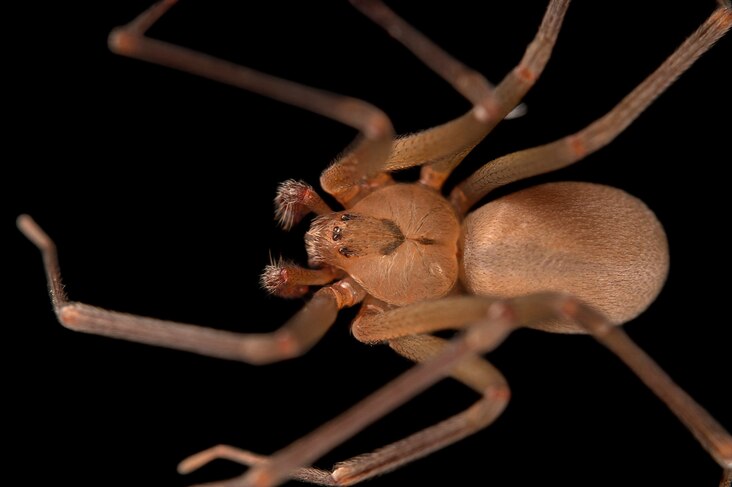
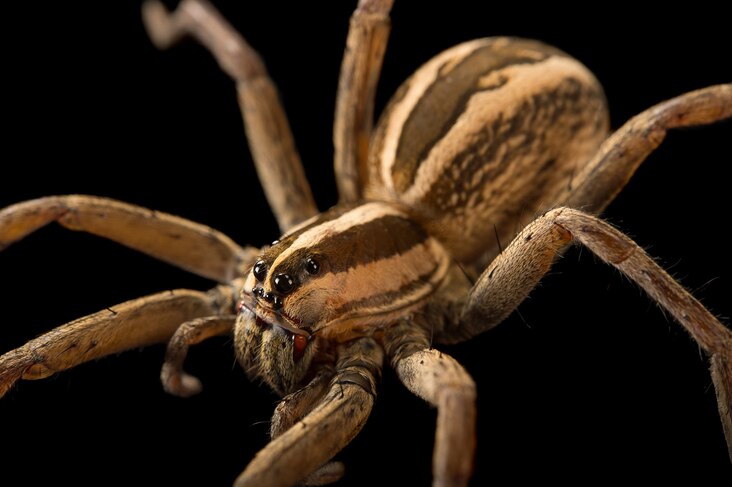
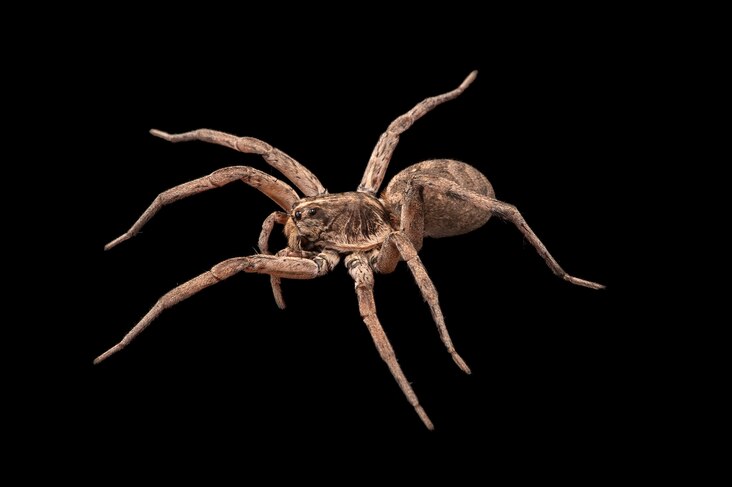
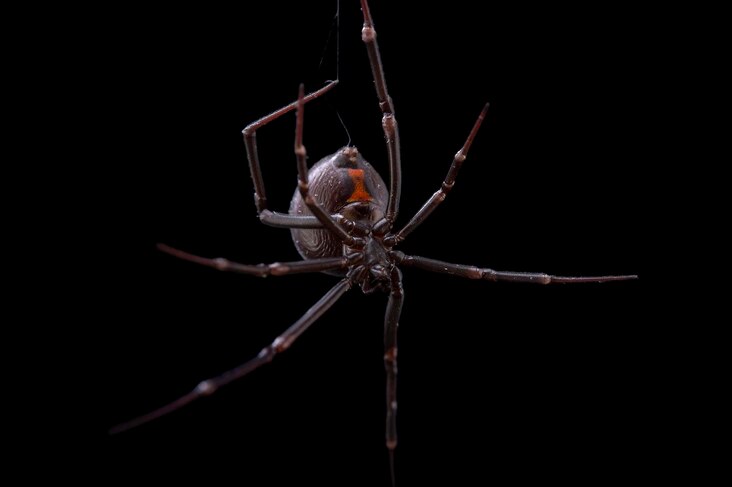
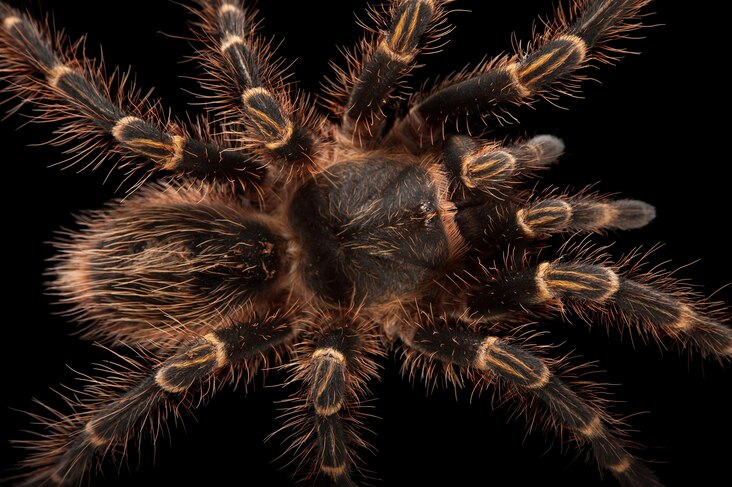
For most people, the thought of spiders conjures up images of tarantulas, wolf spiders, and other (seemingly) fearsome creatures. Though all spiders have venom to one degree or another, only a handful are dangerous to humans. Those include the black widow and the brown recluse, both found in the United States.
The vast majority of spiders are harmless and serve a critical purpose: controlling insect populations that could otherwise devastate crops. Without spiders to eat pests harmful to agriculture, it’s thought that our food supply would be put at risk.
How spiders eat and hunt
Most species are carnivorous, either trapping flies and other insects in their webs, or hunting them down. They can’t swallow their food as is, though—spiders inject their prey with digestive fluids, then suck out the liquefied remains.
Though not all spiders build webs, every species produces silk. They use the strong, flexible protein fiber for many different purposes: to climb (think Spider Man), to tether themselves for safety in case of a fall, to create egg sacs, to wrap up prey, to make nests, and more.
Most spider species have eight eyes, though some have six. Despite all of those eyes, though, many don’t see very well. A notable exception is the jumping spider, which can see more colors than humans can. Using filters that sit in front of cells in their eyes, the day-hunting jumping spider can see in the red spectrum, green spectrum, and in UV light.
Threats
The greatest threat to spiders is habitat loss, although some spider species are also threatened by the pet trade.
World’s Largest Spider
The goliath birdeater tarantula of South America is arguably the biggest spider in the world. Watch as one hapless mouse wanders into a spider’s deadly trap, and see the unusual adaptations that make the goliath one of nature’s deadliest ambushers.